

This summer, Sylvain Francisco’s story revolves around that number, which is both big enough to alter a career’s course and small enough to feel unfair. The NBA was very interested in the French point guard, who had just finished second for EuroLeague MVP. Francisco’s window silently closed as the biggest star in the league made everyone wait.
When you align the details, their simplicity almost seems ridiculous. Francisco’s contract with ASVEL contained an out clause that required activation by July 20 in order for him to test the NBA market. Chicago, one of five or six teams expressing serious interest with guarantyd two-year offers on the table, was allegedly working on a trade to bring him in. However, NBA front offices were waiting for LeBron James to decide where he would play, as they frequently do in the first part of July. On July 24, James signed a contract with the Philadelphia 76ers. Francisco had already missed his deadline.
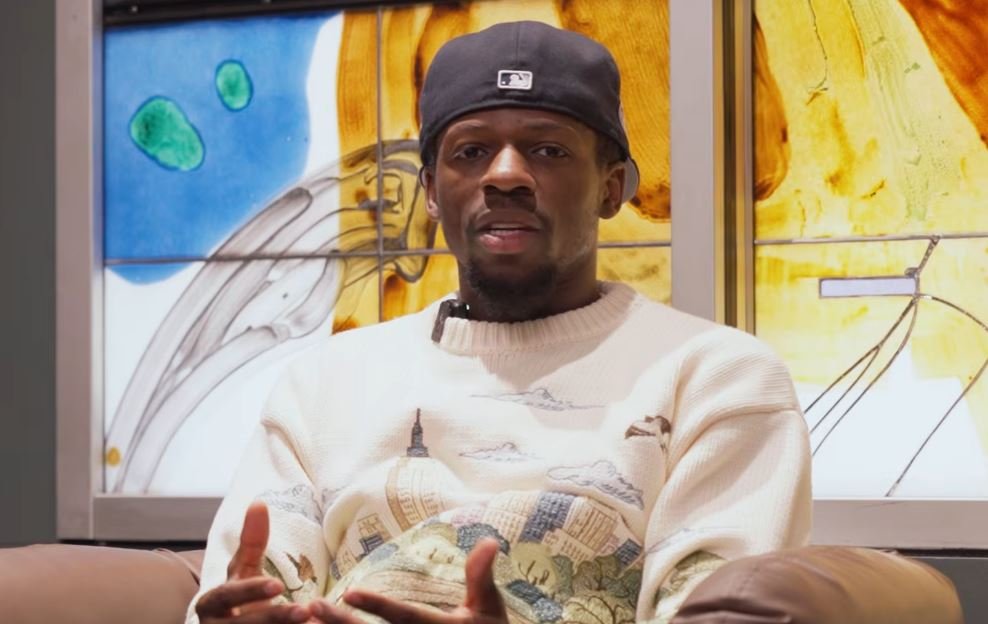
It’s a peculiar kind of domino effect that influences many transactions each summer but is rarely discussed outside of basketball circles. A career decision for someone who had no say at all is made somewhere in the traffic jam caused by a superstar’s indecision, which delays dozens of smaller moves down the roster chain. In his interview with L’Equipe, Francisco stated unequivocally that the Bulls trade stalled because everyone in the league was waiting on LeBron, and that after James signed, “that’s where all the teams really started to transfer players, make more trades.”
There’s a restraint in the way he discusses it, based on his comments. He acknowledges that he is “a little angry,” which feels genuine rather than staged. There isn’t a hint of resentment or a dramatic charge directed at James; instead, it’s a straightforward explanation of how league-wide deadlock cost him a chance he deserved. This type of frustration is common in professional sports, where decisions made far beyond anyone’s control can affect individual results.
What Francisco really contributed is what changes the course of the story. He wasn’t a fringe prospect hoping to be invited to a training camp. He was possibly the best guard available outside of the NBA this offseason after a season with Zalgiris Kaunas in which he averaged 16.7 points and 6.4 assists on effective shooting splits. That is a substantial resume. Whether there is deadline chaos or not, this type of production is typically rewarded.
Rather, financial difficulties at ASVEL led him to a completely different European destination: Panathinaikos, one of Greece’s premier clubs and a team with genuine EuroLeague aspirations. Francisco appears to have come to terms with it, referring to the entire circumstance as “a blessing in disguise.” Perhaps that is true acceptance. Perhaps it’s what players say in public, regardless of their private feelings. Francisco himself doesn’t act as though the disappointment wasn’t genuine, but it’s difficult to say for sure.
Additionally, there is a more general pattern to be aware of. Every summer, a small number of superstar decisions determine NBA rosters, and everyone else—trades, signings, and careers—waits on the sidelines until those dominoes fall. Francisco’s predicament serves as a tiny, real-world illustration of how that ripple effect manifests itself. It’s unclear if he will have another NBA window in the future. He is currently relocating to Athens, and the league he nearly joined continues without him.
