

A 6-foot-8 former NBA player wearing a long blonde wig enters Gainbridge Fieldhouse in Indianapolis, sits courtside, and declares himself “Queen Roysha.” It sounds almost theatrical. It would be simple to dismiss the entire situation as a performance, a clout grab disguised as gender politics. However, something worthwhile is lost in that framing. There was Royce White. He was photographed by admirers. Caitlin Clark scored 34 points and dished out 12 assists as Indiana defeated Connecticut 111-91. Furthermore, the WNBA has yet to make a formal public decision regarding his draft eligibility.
White never participated in a regular-season game for the Houston Rockets, who selected him 16th overall in the 2012 NBA Draft. His NBA career was essentially over after he made three appearances with the Sacramento Kings in 2014. That’s the basketball resume. More recently, in August 2026, he officially declared himself to be a transgender woman and filed a declaration for the 2027 WNBA Draft through lawyer and former U.S. Representative Matt Gaetz. This combination suggests something about the political drama surrounding all of this.
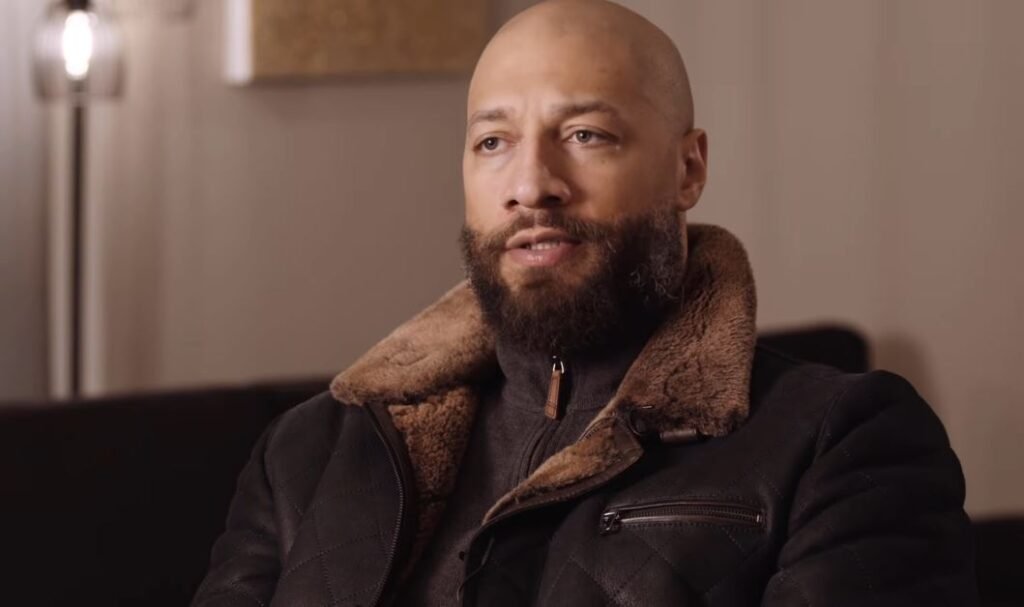
Only women are permitted to compete in the WNBA, according to the collective bargaining agreement. It does not explain how gender identity or sex assigned at birth contributes to that definition, at least not in any publicly available language. White and his legal team are arguing that there is a gap. The Associated Press was informed by a person familiar with the league’s decision that White is ineligible. White’s lawyers claim they have not received a formal written decision, and the league has not provided a public explanation of why. Whether the WNBA is buying time, avoiding a legal battle, or just hoping the story goes away is still up for debate.
On August 28, it didn’t go away. When White arrived at the Fever-Sun game, he chatted with spectators, identified himself to reporters as “Queen Roysha,” and stated that his purpose was to “scout the competition.” He witnessed one of the WNBA season’s top individual performances by Clark.
According to most accounts, the response from Indiana supporters was positive. Afterward, White called it “overwhelming,” pointing out the difference with what Enes Kanter had gone through in Chicago a few days prior, when Kanter was banned and expelled following an altercation with Natasha Cloud. White had a more subdued, almost friendly, evening. It seems as though even he was taken aback by the warmth of the crowd.
People from far beyond the arena walls have been drawn to the wider discussion. In simple terms, Ryan Clark of “The Pivot” stated that the WNBA should focus on its stars rather than on those who no longer have it elsewhere. He’s got a point. Caitlin Clark became the first player in WNBA history to record back-to-back games with 30 points or more and at least ten assists on the same nite that White was sitting courtside in a wig. That truly is a historic accomplishment.
Recently, Angel Reese set a record for rebounds. Quietly, Sydney Taylor has emerged as one of the most dependable players in the league. These are the narratives that the WNBA ought to be directing.
However, the eligibility issue won’t go away on its own. The Players Association has called for thoughtful, polite discussion, and the WNBA has established a task force. These institutional reactions make sense. However, rational institutional reactions take time, and before the task force could say anything, Royce White appeared wearing a wig and grinning for pictures. This whole situation keeps getting worse because of the gap between the league’s deliberate pace and the speed of social media.
The WNBA must now respond to a policy question that it has been happy to leave open-ended, regardless of whether White’s campaign is genuine protest, political commentary, or something else entirely. The blonde wig worn by the courtside was overt. The league office’s silence isn’t either.
